Type beat: how indie and alternative rock instrumentals work for songwriters
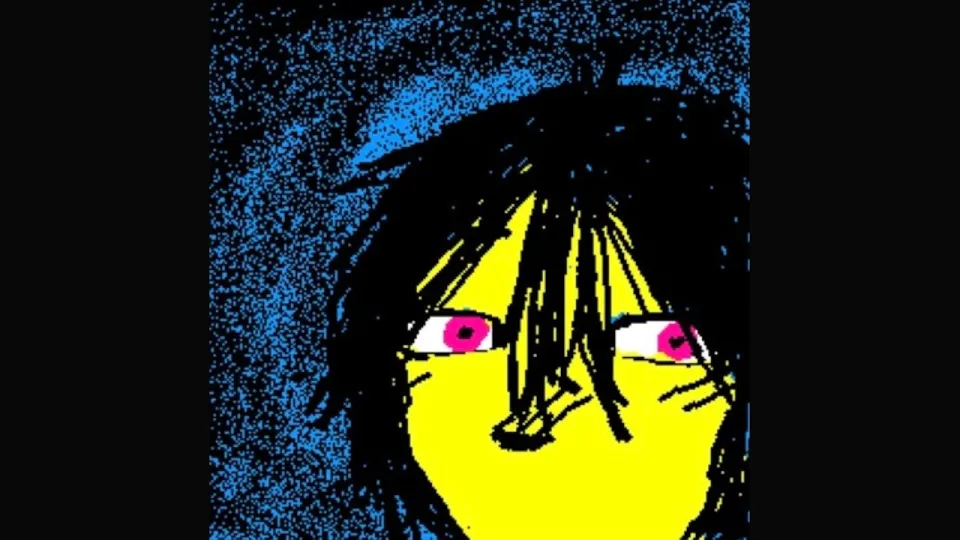
Video: [FREE] Indie x Alternative Rock Type Beat "Too Attached"
Want articles like this for your own video to promote it on YouTube and Google? Order them through the Telegram bot @sat_sit_bot. Articles with your video embedded are written and posted by the bot itself — on popular topical sites (no ads). Try it free: 50 articles on us.
Key takeaways
- A type beat is an instrumental built in the style of a specific artist, era or genre, sold or shared for vocalists to write over.
- GAXILLIC's "Too Attached" blends indie and alternative rock with 2000s and Midwest emo references; key and BPM are listed on the producer's BeatStars store.
- The instrumental is free for non-profit use with credit (Prod. GAXILLIC); Spotify, YouTube Music, iTunes and any paid release require a purchased license.
- Guitars on the beat are composed and recorded by the producer himself, and he also sells guitar presets, drum kits and loops.
- A store deal offers buy two, get one free on any type of license.
A type beat is an instrumental written in the style of a specific artist, band, era or subgenre, intended for a vocalist to write and record over. In indie and alternative rock, that means guitar-driven arrangements with a recognizable mood — jangly or distorted chords, live-sounding drums, a bassline that carries the melody — rather than a full song. GAXILLIC's "Too Attached" is a free-for-non-profit example of the format, and the paid license is available on the producer's BeatStars store, where the key and BPM for the beat are listed.
The term comes from hip-hop production, where a beat tagged "Drake type beat" tells a rapper exactly what lane it sits in. Rock producers adopted the same language because it solves a real search problem: a songwriter who wants a Smiths-adjacent jangle or a Smashing Pumpkins-style wall of guitars can find an instrumental in minutes instead of commissioning one. The result is a working sketch — usually two to eight bars looping with small variations — that leaves room for a topline, lyrics and a vocal performance.
What makes an indie x alternative rock type beat recognizable
An indie x alternative rock type beat is defined by guitar tone and drum feel more than by tempo. The tags on "Too Attached" point to a specific family tree: Smashing Pumpkins, Foo Fighters, The Smiths, Midwest emo, 2000s rock and Y2K rock, with a sad indie undercurrent. Those references pull in different directions, and the blend is what makes the lane useful.
Typical building blocks:
- Clean or lightly driven guitar arpeggios for the verse, doubled and panned wide, with a chorus or reverb pedal doing the atmosphere.
- A distorted rhythm layer that enters at the hook, often the same chord progression played with power chords rather than a new part.
- Live-feel drums — slightly loose timing, roomy snare, hi-hats with movement. Listeners on the video picked out the hi-hats and the bounce of the groove specifically.
- A bassline that follows the guitar root notes but adds passing tones, which is what separates indie rock from straight pop-punk.
- A melodic hook carried by guitar, not by synth, so the vocal has a countermelody to answer.
The 2000s and Y2K rock tags matter here: that era's production favored a dry, upfront vocal against dense guitars, which is friendly to home recording. A songwriter with a single condenser mic and an interface can track a vocal over this kind of instrumental and get a usable demo without a full band.
How the licensing works for a free rock type beat
"Free" on a type beat means free for non-profit use, not public domain. The description of "Too Attached" states the instrumental can be used at no cost for non-profit purposes with production credit to GAXILLIC. The moment a song goes to Spotify, YouTube Music, iTunes or any monetized platform, a license has to be purchased from the beat store.
What that means in practice:
- Non-profit use: mixtapes, SoundCloud demos, practice recordings and videos that are not monetized, with credit written as "Prod. GAXILLIC".
- Paid use: streaming releases, monetized YouTube uploads, sync placements and any distribution that generates revenue, which requires a license tier from the store.
- Bulk buying: the store runs a deal where buying two licenses gets a third free, which suits artists cutting a multi-track EP.
- Custom work: the producer takes commissions for custom beats, useful when a specific tempo, key or arrangement is needed.
Before releasing anything, confirm the license tier covers the intended distribution — streaming counts, and so does a monetized video even if the song itself is not for sale.
Why sad and nostalgic moods dominate the format
Sad indie and Midwest emo type beats sell because the emotional register is the product. The comment thread under "Too Attached" reads like a mood board: listeners describe writing a love song over it, playing it on repeat while feeling low, and missing the old days. One noted it was the first beat in a while that made them feel something.
That reaction is not accidental. Minor-key progressions, suspended chords that avoid a clean resolution, and a guitar melody that repeats with slight variation all create tension without requiring a big production. The tempo range typical of the style — slow enough for conversational verses, fast enough for a chorus lift — lets a vocalist move between murmuring and shouting. Producers lean on this because a beat that evokes a feeling is easier to write to than a technically impressive one that evokes nothing.
Common questions songwriters ask before writing over a type beat
Can I change the arrangement? Yes, within the license terms. Most artists cut the loop, drop the drums for a verse, or add a bridge; the instrumental is a starting point, not a fixed master.
What if my song needs a different key? Pitch-shifting a guitar-based beat by more than a semitone or two smears the tone. It is usually better to ask for a custom beat in the right key than to transpose the audio.
How do I credit the producer? Write "Prod. GAXILLIC" in the track title or description, and keep the credit on every platform where the song appears.
Is a type beat original music? The instrumental is original; the style reference is not a sample or a copy of a specific song. That is why producers tag beats with artist names — it describes a lane, not a claim on someone else's recording.
Tools and resources from the same producer
Beyond finished instrumentals, GAXILLIC sells the raw materials: guitar presets, drum kits and loops for producers building their own indie and alternative rock beats. The guitars on "Too Attached" were composed and recorded by the producer himself, which is why the parts sound played rather than programmed — a detail that matters in a genre where stiff, quantized guitars are the fastest way to sound fake.
The cover art is sourced from a Pinterest reference, and contact for custom beats or bulk purchases runs through email at gaxdream@gmail.com, Instagram and Telegram at @gaxillic, plus a Telegram channel at @gaxillicbeats.
Conclusion
A type beat is a shortcut to a finished song: a guitar-driven instrumental in a defined style, ready for a vocal and a lyric. "Too Attached" sits in the indie and alternative rock lane with 2000s, Midwest emo and Smashing Pumpkins-adjacent references, is free for non-profit work with credit, and requires a license for streaming and monetized release. GAXILLIC, the producer behind the beat and the channel that published it, also sells the guitar presets and drum kits used to build this kind of arrangement. If the sketch fits a song in progress, pick up a license on the BeatStars store before it goes live.
Questions & answers
Can I release a song on Spotify using a free type beat?
Not without a license. Free use on type beats normally covers non-profit work only, with production credit. Streaming platforms such as Spotify, YouTube Music and iTunes count as commercial distribution, so a license must be bought from the producer's store first.
How do I credit the producer of a type beat?
Write "Prod. GAXILLIC" in the track title or description and keep it on every platform where the song appears. Credit is a condition of the free non-profit use, and it also helps the producer get found.
What does the key and BPM listing tell me before writing?
The key tells you which vocal range and chord ideas will sit naturally over the instrumental, and the BPM sets the feel — slower for conversational verses, faster for a chorus lift. Both are listed on the beat store so you can plan a topline before downloading.
Can I get a custom beat in a different key or tempo?
Yes, the producer takes commissions for custom beats, which is the cleaner option when a song needs a specific key or arrangement. Pitch-shifting a guitar-based beat too far tends to smear the tone, so a custom version usually sounds better.
Source: [FREE] Indie x Alternative Rock Type Beat "Too Attached" · Markdown version